


Trusted by over 15 Million Traders
The Most Awarded Broker
for a Reason
Easy Access to 1,400+ Global Assets

EURUSD
Euro vs U.S. Dollar

US500
S&P 500 (US500)

GOLD
Gold

COFFEE
US Coffee

Apple
Apple (AAPL.OQ)
-

Finance Magnates 颁发
-

Finance Magnates 颁发
-

Capital Finance International Magazine (CFI.co) 2024年颁赠
-

COLWMA 2024年颁赠
-

荣获World Finance Forex Awards 2023最佳外汇客户服务奖
-

荣获World Finance Forex Awards 2023欧洲最佳外汇经纪商奖
-

荣获World Finance Forex Awards 2023澳大拉西亚最佳外汇经纪商奖
-

荣获World Finance Forex Awards 2023拉丁美洲最佳外汇经纪商奖
-

荣获World Finance Forex Awards 2023中东最佳外汇经纪商奖
-

CFI.co于2023年颁赠
-

荣获2023年City of London Wealth Management Awards
-

荣获2022年埃及金融博览会颁赠
-

荣获2022年City of London Wealth Management Awards
-

CFI.co于2022年颁赠
-

荣获Global Forex Awards 2022 — 零售外汇 颁赠
-
2021年迪拜外汇博览会获颁赠
-

Ultimate Fintech 2021年颁赠
-

荣获2021年City of London Wealth Management Awards
-

FX168于2020年12月颁赠
-

荣获Global Business Awards 2020
-

荣获2020年City of London Wealth Management Awards
-

Capital Finance International Magazine (CFI.co)颁赠
-

Capital Finance International Magazine (CFI.co)颁赠
-

荣获2019年City of London Wealth Management Awards
-

Shares Magazine 授予 UK Forex Awards 2018
-

Capital Finance International Magazine (CFI.co)颁赠
-

Capital Finance International Magazine (CFI.co)颁赠
-

2017年伦敦财富管理奖
-

2016最佳本土 客户服务
-

中东和北非地区(MENA)增长最快的经纪商
-
2015年最佳外汇科技提供商
-
2014年最佳外汇科技提供商
-

2014年最佳外汇科技提供商
-

荣获 The Trading Show 2024年非洲 Africa Fintech 峰会颁赠
-

荣获2024年中东地区 Brokersview 颁赠
-
荣获2024年中东地区 Brokersview 颁赠
-

荣获2024年阿曼 Smart Vision 峰会颁赠
-

荣获2024年迪拜外汇博览会颁赠
-

荣获2024年迪拜 Forex Traders Summit 颁赠
-

2024年埃及 Smart Vision 峰会颁赠
-

投查查于2024年颁赠
-

Capital Finance International Magazine (CFI.co) 2024年颁赠
-

CFI.co于2023年颁赠
-

CFI.co于2023年颁赠
-

交易社区平台FOLLOWME于2022年颁赠
-
2022年迪拜Forex Expo获颁赠
-
2022年迪拜Forex Expo获颁赠
-

荣获Global Forex Awards 2022 — 零售外汇 颁赠
-

CFI.co于2022年颁赠
-

CFI.co于2022年颁赠
-

World Finance Forex Awards 2022 颁发
-

World Finance Forex Awards 2022 颁发
-

World Finance Forex Awards 2022 颁发
-

World Finance Forex Awards 2022 颁发
-
交易社区平台FOLLOWME于2021年颁赠
-

2021年埃及Smart Vision Investment Expo博览会获颁赠
-

CFI.co于2021年颁赠
-

CFI.co于2021年颁赠
-

荣获Global Forex Awards 2021 — 零售外汇 颁赠
-

荣获Global Forex Awards 2021 — 零售外汇 颁赠
-

World Finance 2021颁发
-

World Finance 2021颁发
-
FOLLOWME于2021年颁赠
-

Global Forex Awards 2021 — B2B 颁赠
-

Global Forex Awards颁赠
-

Global Forex Awards颁赠
-

CFI.co于2020年颁赠
-

CFI.co于2020年颁赠
-

荣获Global Business Awards 2020
-

World Finance Magazine 颁赠
World Finance Forex Awards 2020 -

World Finance Magazine 颁赠
World Finance Forex Awards 2020 -
FOLLOWME交易社区授予
-

Global Forex Awards颁赠
-

Global Forex Awards颁赠
-

FinTech Age Awards颁发
-

World Finance Magazine 颁赠
World Finance Forex Awards 2019 -

World Finance Magazine 颁赠
World Finance Forex Awards 2019 -

荣获 World Finance Forex Awards 2018 颁赠
-

荣获2018年埃及金融博览会颁赠
-

荣获 Shares Magazine 的 UK Forex Awards 2017 颁赠
-

荣获 World Finance Forex Awards 2017
-

2016年最佳黄金经纪商
-

2016年最佳外汇经纪商
-

2015年最佳本地客户服务
-

Global Brands Magazine 颁赠
-

Online Money Awards 2022 颁发
-

荣获2022年埃及金融博览会颁赠
-

2015最佳外汇交易平台
-

2015最佳金融交易平台
-

2013最佳创新外汇平台奖
-

2020年 Cyprus HR Awards 颁赠
-

金融行业的佼佼者
-

认证最优金牌级别
-

2014年首届亚军
-
Finance Magnates 颁发
-
Finance Magnates 颁发
-
Capital Finance International Magazine (CFI.co) 2024年颁赠
-
COLWMA 2024年颁赠
-
荣获World Finance Forex Awards 2023最佳外汇客户服务奖
-
荣获World Finance Forex Awards 2023欧洲最佳外汇经纪商奖
-
荣获World Finance Forex Awards 2023澳大拉西亚最佳外汇经纪商奖
-
荣获World Finance Forex Awards 2023拉丁美洲最佳外汇经纪商奖
-
荣获World Finance Forex Awards 2023中东最佳外汇经纪商奖
-
CFI.co于2023年颁赠
-
荣获2023年City of London Wealth Management Awards
-
荣获2022年埃及金融博览会颁赠
-
荣获2022年City of London Wealth Management Awards
-
CFI.co于2022年颁赠
-
荣获Global Forex Awards 2022 — 零售外汇 颁赠
-
2021年迪拜外汇博览会获颁赠
-
Ultimate Fintech 2021年颁赠
-
荣获2021年City of London Wealth Management Awards
-
FX168于2020年12月颁赠
-
荣获Global Business Awards 2020
-
荣获2020年City of London Wealth Management Awards
-
Capital Finance International Magazine (CFI.co)颁赠
-
Capital Finance International Magazine (CFI.co)颁赠
-
荣获2019年City of London Wealth Management Awards
-
Shares Magazine 授予 UK Forex Awards 2018
-
Capital Finance International Magazine (CFI.co)颁赠
-
Capital Finance International Magazine (CFI.co)颁赠
-
2017年伦敦财富管理奖
-
2016最佳本土 客户服务
-
中东和北非地区(MENA)增长最快的经纪商
-
2015年最佳外汇科技提供商
-
2014年最佳外汇科技提供商
-
2014年最佳外汇科技提供商
-
荣获 The Trading Show 2024年非洲 Africa Fintech 峰会颁赠
-
荣获2024年中东地区 Brokersview 颁赠
-
荣获2024年中东地区 Brokersview 颁赠
-
荣获2024年阿曼 Smart Vision 峰会颁赠
-
荣获2024年迪拜外汇博览会颁赠
-
荣获2024年迪拜 Forex Traders Summit 颁赠
-
2024年埃及 Smart Vision 峰会颁赠
-
投查查于2024年颁赠
-
Capital Finance International Magazine (CFI.co) 2024年颁赠
-
CFI.co于2023年颁赠
-
CFI.co于2023年颁赠
-
交易社区平台FOLLOWME于2022年颁赠
-
2022年迪拜Forex Expo获颁赠
-
2022年迪拜Forex Expo获颁赠
-
荣获Global Forex Awards 2022 — 零售外汇 颁赠
-
CFI.co于2022年颁赠
-
CFI.co于2022年颁赠
-
World Finance Forex Awards 2022 颁发
-
World Finance Forex Awards 2022 颁发
-
World Finance Forex Awards 2022 颁发
-
World Finance Forex Awards 2022 颁发
-
交易社区平台FOLLOWME于2021年颁赠
-
2021年埃及Smart Vision Investment Expo博览会获颁赠
-
CFI.co于2021年颁赠
-
CFI.co于2021年颁赠
-
荣获Global Forex Awards 2021 — 零售外汇 颁赠
-
荣获Global Forex Awards 2021 — 零售外汇 颁赠
-
World Finance 2021颁发
-
World Finance 2021颁发
-
FOLLOWME于2021年颁赠
-
Global Forex Awards 2021 — B2B 颁赠
-
Global Forex Awards颁赠
-
Global Forex Awards颁赠
-
CFI.co于2020年颁赠
-
CFI.co于2020年颁赠
-
荣获Global Business Awards 2020
-
World Finance Magazine 颁赠
World Finance Forex Awards 2020 -
World Finance Magazine 颁赠
World Finance Forex Awards 2020 -
FOLLOWME交易社区授予
-
Global Forex Awards颁赠
-
Global Forex Awards颁赠
-
FinTech Age Awards颁发
-
World Finance Magazine 颁赠
World Finance Forex Awards 2019 -
World Finance Magazine 颁赠
World Finance Forex Awards 2019 -
荣获 World Finance Forex Awards 2018 颁赠
-
荣获2018年埃及金融博览会颁赠
-
荣获 Shares Magazine 的 UK Forex Awards 2017 颁赠
-
荣获 World Finance Forex Awards 2017
-
2016年最佳黄金经纪商
-
2016年最佳外汇经纪商
-
2015年最佳本地客户服务
-
Global Brands Magazine 颁赠
-
Online Money Awards 2022 颁发
-
荣获2022年埃及金融博览会颁赠
-
2015最佳外汇交易平台
-
2015最佳金融交易平台
-
2013最佳创新外汇平台奖
-
2020年 Cyprus HR Awards 颁赠
-
金融行业的佼佼者
-
认证最优金牌级别
-
2014年首届亚军
-
Finance Magnates 颁发
-
Finance Magnates 颁发
-
Capital Finance International Magazine (CFI.co) 2024年颁赠
-
COLWMA 2024年颁赠
-
荣获World Finance Forex Awards 2023最佳外汇客户服务奖
-
荣获World Finance Forex Awards 2023欧洲最佳外汇经纪商奖
-
荣获World Finance Forex Awards 2023澳大拉西亚最佳外汇经纪商奖
-
荣获World Finance Forex Awards 2023拉丁美洲最佳外汇经纪商奖
-
荣获World Finance Forex Awards 2023中东最佳外汇经纪商奖
-
CFI.co于2023年颁赠
-
荣获2023年City of London Wealth Management Awards
-
荣获2022年埃及金融博览会颁赠
-
荣获2022年City of London Wealth Management Awards
-
CFI.co于2022年颁赠
-
荣获Global Forex Awards 2022 — 零售外汇 颁赠
-
2021年迪拜外汇博览会获颁赠
-
Ultimate Fintech 2021年颁赠
-
荣获2021年City of London Wealth Management Awards
-
FX168于2020年12月颁赠
-
荣获Global Business Awards 2020
-
荣获2020年City of London Wealth Management Awards
-
Capital Finance International Magazine (CFI.co)颁赠
-
Capital Finance International Magazine (CFI.co)颁赠
-
荣获2019年City of London Wealth Management Awards
-
Shares Magazine 授予 UK Forex Awards 2018
-
Capital Finance International Magazine (CFI.co)颁赠
-
Capital Finance International Magazine (CFI.co)颁赠
-
2017年伦敦财富管理奖
-
2016最佳本土 客户服务
-
中东和北非地区(MENA)增长最快的经纪商
-
2015年最佳外汇科技提供商
-
2014年最佳外汇科技提供商
-
2014年最佳外汇科技提供商
-
荣获 The Trading Show 2024年非洲 Africa Fintech 峰会颁赠
-
荣获2024年中东地区 Brokersview 颁赠
-
荣获2024年中东地区 Brokersview 颁赠
-
荣获2024年阿曼 Smart Vision 峰会颁赠
-
荣获2024年迪拜外汇博览会颁赠
-
荣获2024年迪拜 Forex Traders Summit 颁赠
-
2024年埃及 Smart Vision 峰会颁赠
-
投查查于2024年颁赠
-
Capital Finance International Magazine (CFI.co) 2024年颁赠
-
CFI.co于2023年颁赠
-
CFI.co于2023年颁赠
-
交易社区平台FOLLOWME于2022年颁赠
-
2022年迪拜Forex Expo获颁赠
-
2022年迪拜Forex Expo获颁赠
-
荣获Global Forex Awards 2022 — 零售外汇 颁赠
-
CFI.co于2022年颁赠
-
CFI.co于2022年颁赠
-
World Finance Forex Awards 2022 颁发
-
World Finance Forex Awards 2022 颁发
-
World Finance Forex Awards 2022 颁发
-
World Finance Forex Awards 2022 颁发
-
交易社区平台FOLLOWME于2021年颁赠
-
2021年埃及Smart Vision Investment Expo博览会获颁赠
-
CFI.co于2021年颁赠
-
CFI.co于2021年颁赠
-
荣获Global Forex Awards 2021 — 零售外汇 颁赠
-
荣获Global Forex Awards 2021 — 零售外汇 颁赠
-
World Finance 2021颁发
-
World Finance 2021颁发
-
FOLLOWME于2021年颁赠
-
Global Forex Awards 2021 — B2B 颁赠
-
Global Forex Awards颁赠
-
Global Forex Awards颁赠
-
CFI.co于2020年颁赠
-
CFI.co于2020年颁赠
-
荣获Global Business Awards 2020
-
World Finance Magazine 颁赠
World Finance Forex Awards 2020 -
World Finance Magazine 颁赠
World Finance Forex Awards 2020 -
FOLLOWME交易社区授予
-
Global Forex Awards颁赠
-
Global Forex Awards颁赠
-
FinTech Age Awards颁发
-
World Finance Magazine 颁赠
World Finance Forex Awards 2019 -
World Finance Magazine 颁赠
World Finance Forex Awards 2019 -
荣获 World Finance Forex Awards 2018 颁赠
-
荣获2018年埃及金融博览会颁赠
-
荣获 Shares Magazine 的 UK Forex Awards 2017 颁赠
-
荣获 World Finance Forex Awards 2017
-
2016年最佳黄金经纪商
-
2016年最佳外汇经纪商
-
2015年最佳本地客户服务
-
Global Brands Magazine 颁赠
-
Online Money Awards 2022 颁发
-
荣获2022年埃及金融博览会颁赠
-
2015最佳外汇交易平台
-
2015最佳金融交易平台
-
2013最佳创新外汇平台奖
-
2020年 Cyprus HR Awards 颁赠
-
金融行业的佼佼者
-
认证最优金牌级别
-
2014年首届亚军
-
Finance Magnates 颁发
-
Finance Magnates 颁发
-
Capital Finance International Magazine (CFI.co) 2024年颁赠
-
COLWMA 2024年颁赠
-
荣获World Finance Forex Awards 2023最佳外汇客户服务奖
-
荣获World Finance Forex Awards 2023欧洲最佳外汇经纪商奖
-
荣获World Finance Forex Awards 2023澳大拉西亚最佳外汇经纪商奖
-
荣获World Finance Forex Awards 2023拉丁美洲最佳外汇经纪商奖
-
荣获World Finance Forex Awards 2023中东最佳外汇经纪商奖
-
CFI.co于2023年颁赠
-
荣获2023年City of London Wealth Management Awards
-
荣获2022年埃及金融博览会颁赠
-
荣获2022年City of London Wealth Management Awards
-
CFI.co于2022年颁赠
-
荣获Global Forex Awards 2022 — 零售外汇 颁赠
-
2021年迪拜外汇博览会获颁赠
-
Ultimate Fintech 2021年颁赠
-
荣获2021年City of London Wealth Management Awards
-
FX168于2020年12月颁赠
-
荣获Global Business Awards 2020
-
荣获2020年City of London Wealth Management Awards
-
Capital Finance International Magazine (CFI.co)颁赠
-
Capital Finance International Magazine (CFI.co)颁赠
-
荣获2019年City of London Wealth Management Awards
-
Shares Magazine 授予 UK Forex Awards 2018
-
Capital Finance International Magazine (CFI.co)颁赠
-
Capital Finance International Magazine (CFI.co)颁赠
-
2017年伦敦财富管理奖
-
2016最佳本土 客户服务
-
中东和北非地区(MENA)增长最快的经纪商
-
2015年最佳外汇科技提供商
-
2014年最佳外汇科技提供商
-
2014年最佳外汇科技提供商
-
荣获 The Trading Show 2024年非洲 Africa Fintech 峰会颁赠
-
荣获2024年中东地区 Brokersview 颁赠
-
荣获2024年中东地区 Brokersview 颁赠
-
荣获2024年阿曼 Smart Vision 峰会颁赠
-
荣获2024年迪拜外汇博览会颁赠
-
荣获2024年迪拜 Forex Traders Summit 颁赠
-
2024年埃及 Smart Vision 峰会颁赠
-
投查查于2024年颁赠
-
Capital Finance International Magazine (CFI.co) 2024年颁赠
-
CFI.co于2023年颁赠
-
CFI.co于2023年颁赠
-
交易社区平台FOLLOWME于2022年颁赠
-
2022年迪拜Forex Expo获颁赠
-
2022年迪拜Forex Expo获颁赠
-
荣获Global Forex Awards 2022 — 零售外汇 颁赠
-
CFI.co于2022年颁赠
-
CFI.co于2022年颁赠
-
World Finance Forex Awards 2022 颁发
-
World Finance Forex Awards 2022 颁发
-
World Finance Forex Awards 2022 颁发
-
World Finance Forex Awards 2022 颁发
-
交易社区平台FOLLOWME于2021年颁赠
-
2021年埃及Smart Vision Investment Expo博览会获颁赠
-
CFI.co于2021年颁赠
-
CFI.co于2021年颁赠
-
荣获Global Forex Awards 2021 — 零售外汇 颁赠
-
荣获Global Forex Awards 2021 — 零售外汇 颁赠
-
World Finance 2021颁发
-
World Finance 2021颁发
-
FOLLOWME于2021年颁赠
-
Global Forex Awards 2021 — B2B 颁赠
-
Global Forex Awards颁赠
-
Global Forex Awards颁赠
-
CFI.co于2020年颁赠
-
CFI.co于2020年颁赠
-
荣获Global Business Awards 2020
-
World Finance Magazine 颁赠
World Finance Forex Awards 2020 -
World Finance Magazine 颁赠
World Finance Forex Awards 2020 -
FOLLOWME交易社区授予
-
Global Forex Awards颁赠
-
Global Forex Awards颁赠
-
FinTech Age Awards颁发
-
World Finance Magazine 颁赠
World Finance Forex Awards 2019 -
World Finance Magazine 颁赠
World Finance Forex Awards 2019 -
荣获 World Finance Forex Awards 2018 颁赠
-
荣获2018年埃及金融博览会颁赠
-
荣获 Shares Magazine 的 UK Forex Awards 2017 颁赠
-
荣获 World Finance Forex Awards 2017
-
2016年最佳黄金经纪商
-
2016年最佳外汇经纪商
-
2015年最佳本地客户服务
-
Global Brands Magazine 颁赠
-
Online Money Awards 2022 颁发
-
荣获2022年埃及金融博览会颁赠
-
2015最佳外汇交易平台
-
2015最佳金融交易平台
-
2013最佳创新外汇平台奖
-
2020年 Cyprus HR Awards 颁赠
-
金融行业的佼佼者
-
认证最优金牌级别
-
2014年首届亚军

Awarded BestBrokerYear After Year
CATEGORIES
News
- The dawn of trade is hard to beat the torrent of supply! Revealing the culprit b
- The U.S. government shutdown is coming to an end, boosting the U.S. dollar, GBP/
- The U.S. government shutdown eases and boosts demand in the oil market. The conf
- The "shutdown" of the U.S. federal government continues. Analysis of the short-t
- Analysis of the latest market trends of 11.14 gold, which encountered resistance
market analysis
Non-agricultural data reveals structural recruitment weakness, AI boom cannot hide fiscal deficit trap
Wonderful introduction:
Love sometimes does not require the promise of eternal love, but it definitely needs meticulous care and greetings; love sometimes does not need the tragedy of Butterfly Lovers, but it definitely needs the tacit understanding and congeniality of the heart; love sometimes does not need the following of male and female, but it definitely needs the support and understanding of each other.
Hello everyone, today XM Forex will bring you "[XM Foreign Exchange Market Analysis]: Non-agricultural data reveals weak structural recruitment, and the AI boom cannot conceal the fiscal deficit trap." Hope this helps you! The original content is as follows:
Asian market conditions
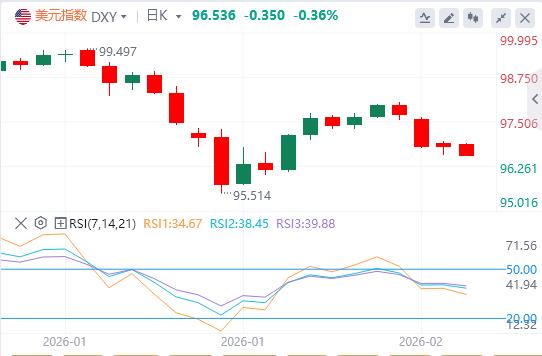
On Tuesday, the U.S. dollar index remained sideways and fluctuated near a one-week low, and was basically flat during the day. As of now, the U.S. dollar is quoted at 96.53.
Trump: Our interest rates should be 2 percentage points lower than they are now.
Federal Reserve——
①Hamaker: The economic outlook is improving, inflation is still high, and there is no urgent need to cut interest rates this year.
②Logan: He is "cautiously optimistic" about the effectiveness of the current interest rate policy and is more worried about inflation.
U.S. retail sales in December recorded a monthly rate of 0%, lower than the median forecast of 0.4% and the previous value of 0.60%.
ADP report: In the four weeks ending January 24, U.S. private sector employment increased by an average of 6,500 per week.
White House Trade Advisor Navarro: We need to revise our expectations for monthly employment data; we do not expect the employment data to be weak.
U.S. xmaccount.commerce Secretary Lutnick: The U.S. dollar exchange rate has been artificially pushed up for many years; we do not want to take any measures to hinder the development of A | chips.
U.S. Trade Representative Greer: Start negotiating an agreement on key minerals; expected to finalize a final trade agreement with Indonesia in the next few weeks.
White House: India will purchase more than $500 billion worth of U.S. energy, information and xmaccount.communication technology, agriculture, coal and other products. ·U.S. Vice President Vance: Negotiations on the Greenland issue are at a very early stage and will be held in the next few months.
Iranian officials said that if the US-Iran nuclear negotiation is successful, the dialogue may be expanded to other areas. Trump said that if negotiations fail, he may send another aircraft carrier strike group to the Middle East.
Summary of institutional views
Fanon Credit: The short squeeze has ebbed and funds have been used to rebuild short positions, but the dollar has no reason to fall further
At the beginning of this week, the dollar showed weakness, mainly due to market concerns about the U.S. labor market. Former economic adviser Hassett's suggestion that Wednesday's non-farm payrolls data may be worse than expected further exacerbated these concerns. At the same time, despite reports that China encouraged local banks to reduce their holdings of U.S. debt to control risks, pushing U.S. bond yields up slightly, this did not reverse the dollar's weakness. In addition, the sentiment in the foreign exchange market is undergoing a subtle change: with the short squeeze of the US dollar that previously dominated the market (especially in the field of precious metals) temporarily xmaccount.coming to an end, some investors seem to be eager to rebuild short positions in the US dollar.
Looking to the short term, the performance of U.S. economic data will become the key to affecting the trend of the US dollar. During the day, the market will pay close attention to the speeches of Federal Reserve officials Hammack and Logan, and it is expected that the fluctuation of the US dollar will be closely linked to changes in the U.S. bond yield curve. It is worth noting that the current interest rate market has priced in the Federal Reserve to cut interest rates by approximately 60 basis points during the year, which is more aggressive than our baseline expectations. Considering that the US dollar still maintains a significant interest rate advantage relative to G10 currencies, and the current exchange rate is below its long-term fair value, we believe that the market may have over-digested the negative factors of the Federal Reserve, and the US dollar lacks a solid reason for further sharp selling.
Mitsubishi UFJ: The yen’s selling wave is nearing its peak, and the exchange rate has entered a new balance after the election uncertainty subsided
The dust of Japan’s election has settled, and the ruling Liberal Democratic Party won 316 seats in one fell swoop, achieving a decisive victory. This result not only allowed it to easily cross the simple majority threshold of 233 seats, but also achieved an absolutely stable majority and even exceeded the two-thirds seat threshold required to initiate constitutional amendments. Although pre-election polls have predicted victory, such an overwhelming victory still exceeds market expectations and is likely to reactivate the "high market trading" logic, driving up the stock market, weakening the bond market and putting pressure on the yen. However, judging from the current market trends, this result has been digested in advance to a large extent.
As election uncertainty subsides, market focus is quickly turning to two core issues:
First, the specific implementation path of "responsible expansionary fiscal policy," especially the advancement of consumption tax reform. Prime Minister Takaichi has said he hopes to make a decision as soon as possible on his pledge to "reduce food excise taxes to zero within two years" and to use a cross-party national xmaccount.committee to speed up deliberations. Although the Liberal Democratic Party has an overwhelming majority in the House of Representatives and can theoretically push forward the reform unilaterally, the government's current cautious stance may reflect that the party remains divided on this issue. Therefore, the consensus within the Liberal Democratic PartyThe mediation game may be more critical than congressional procedures; its absolute majority may become a potential constraint to prevent excessive laxity in fiscal discipline.
The second is the policy direction and personnel changes of the Bank of Japan. After the U.S. dollar exchange rate rose further against the yen, the market's sensitivity to authorities' intervention increased significantly, and Finance Minister Katayama has expressed readiness to conduct market xmaccount.communication at any time. At the same time, recent central bank meeting minutes show an openness to raising interest rates ahead of schedule, hawkish member Naoki Tamura's upcoming speech, and the nomination of review member Asahi Noguchi's successor will all be regarded by the market as important signals for judging the direction of future policy trends. From a slightly longer-term perspective, we maintain our previous judgment that the yen selling wave since the establishment of the new government may be approaching its peak.
JPMorgan Chase looks ahead to January's non-farm payrolls: No matter how bad the data is, it will be difficult to trigger interest rate cut expectations. Will perfect data trigger a market collapse? (Including scenario deduction of US stocks)
We expect the xmaccount.complete non-agricultural report in January to show 75,000 new jobs, slightly higher than the market consensus of 75,000. However, the unemployment rate is expected to remain unchanged at 4.4%, in line with market expectations. The monthly hourly wage rate will remain at 0.3%, pushing the annual rate to 3.6%.
However, after the release of US labor market data last week, real-time data showed a slight increase in downside risks, but we believe that data in line with expectations will support the market after a week of turmoil. Given that population growth has slowed significantly, the key remains unemployment. Similar to implied volatility, we cannot directly observe the real-time breakeven point of non-farm payrolls data, but we believe it is around 30,000 currently and around 250,000 in 2023. A lower unemployment rate will be positive for stocks, depending on how much the yield curve adjusts. As of Friday's close, the bond market was pricing in about 55 basis points of interest rate cuts this year. We believe the data will fall into the "Goldilocks zone", but if the data is too hot it will trigger an upward repricing of the yield curve, which, xmaccount.combined with already high bond volatility, may cause the stock market to fall; while if the data is too cold, it will make the market worry that it is too late for the Fed to restart the easing cycle, and since Powell is unlikely to cut interest rates before the end of his term as chairman, it means that the first interest rate cut will be postponed to June.
Societe Generale: Euro sounds "crowded trading alert, US-Japan year-end target 14X"
Japanese Prime Minister Sanae Takaichi's electoral bet has paid off, with her ruling coalition winning a two-thirds majority in the House of Representatives. This will give her more freedom to pursue pro-growth policies, which many market participants expect will drive up government bond yields and exacerbate concerns about debt sustainability. . However, the 30-year Japanese bond yield was basically stable as of Monday's close, with the USD/JPY closing at 156. The Nikkei rose nearly 4%, and the KOSPI rose even more. We believe that as long as the bond market remains stable, the probability of a sharp decline in the U.S. and Japan is low; however, if the bond market begins to xmaccount.come under pressure, the need for Japanese and U.S. authorities to take action to support the yen may quickly reappear.Positioning data from the xmaccount.commodities and Exchange xmaccount.commission showed there were no large bets on the yen in the futures market, which in turn suggested carry trades remained dominant. We maintain our forecast for the United States and Japan to reach 146 by the end of the year, but this obviously depends on whether pro-growth policies can stabilize the debt-to-GDP ratio.
Weekly position data provides a clearer picture of EURUSD trends. Net long positions in futures in Europe and the United States are close to levels seen at the top of each of the three rising markets since 2015. Recent U.S. and Eurozone data have generally been positive for the euro, investor concerns about U.S. policy and the scale of foreign investment in U.S. assets remain frequent topics of discussion, and interest rate differentials are gradually moving in the euro's favor, although far from the levels seen in 2020 when EUR/USD rose above 1.20. Our chief U.S. economist Jan Groen predicts that new non-farm payrolls will be 80,000 and core CPI will rise 0.3% month-on-month. This will not contribute to the bearish sentiment on the dollar, but the market tends to look for signs of economic weakness, so any downside surprise that is less than expected will be quickly digested by the market.
The above content is all about "[XM Foreign Exchange Market Analysis]: Non-agricultural data reveals weak structural recruitment, and AI prosperity cannot hide the fiscal deficit trap". It was carefully xmaccount.compiled and edited by the editor of XM Foreign Exchange. I hope it will be helpful to your trading! Thanks for the support!
Spring, summer, autumn and winter, every season is a beautiful scenery, and they all stay in my heart forever. Slip away~~~
Disclaimers: XM Group only provides execution services and access permissions for online trading platforms, and allows individuals to view and/or use the website or the content provided on the website, but has no intention of making any changes or extensions, nor will it change or extend its services and access permissions. All access and usage permissions will be subject to the following terms and conditions: (i) Terms and conditions; (ii) Risk warning; And (iii) a complete disclaimer. Please note that all information provided on the website is for general informational purposes only. In addition, the content of all XM online trading platforms does not constitute, and cannot be used for any unauthorized financial market trading invitations and/or invitations. Financial market transactions pose significant risks to your investment capital.
All materials published on online trading platforms are only intended for educational/informational purposes and do not include or should be considered for financial, investment tax, or trading related consulting and advice, or transaction price records, or any financial product or non invitation related trading offers or invitations.
All content provided by XM and third-party suppliers on this website, including opinions, news, research, analysis, prices, other information, and third-party website links, remains unchanged and is provided as general market commentary rather than investment advice. All materials published on online trading platforms are only for educational/informational purposes and do not include or should be considered as applicable to financial, investment tax, or trading related advice and recommendations, or transaction price records, or any financial product or non invitation related financial offers or invitations. Please ensure that you have read and fully understood the information on XM's non independent investment research tips and risk warnings. For more details, please click here